
Industries continue to evolve at a pace we have never seen before, and success now depends more on practical skills than on theory. Vocational training steps in to meet this demand, giving you hands-on learning that prepares you for real-world jobs. But what makes it so powerful in today’s competitive world?
From traditional trades like carpentry, plumbing, and electrical work to modern fields such as healthcare, IT, and digital marketing, vocational education connects your learning directly to the needs of employers. With the proper training, you can enter the workforce more quickly, adapt to constant change, and establish a secure path for long-term growth.
In this article, you’ll learn what is vocational training, why it matters today, and how vocational courses are shaping careers worldwide, including in Pakistan.
Understanding Vocational Training
Vocational training focuses on developing practical abilities that help you perform specific jobs with confidence. So, what is the basic of vocational qualification? It lies in structured practice, workplace-focused learning, and hands-on experience that build real expertise. Unlike traditional education, which often emphasizes theory, skill development programs connect directly to the expectations of employers. With guided instruction, projects, and real-world applications, you gain the confidence to apply your knowledge immediately in your chosen career.
When examining the differences between vocational training and technical education, it is beneficial to consider how each serves distinct purposes. Technical education usually emphasizes a broader range of engineering and mechanical knowledge, while career-focused education sharpens specific job-ready skills that align directly with industry tasks. Together, they complement each other and prepare you for diverse career options.
Importance of Vocational Training
The job market is evolving rapidly, and practical skills are more critical than ever. If you’re wondering, what is the purpose of vocational training? The goal is to equip people with real-world abilities that make them employable. To understand its actual impact, let’s explore the 5 importance of vocational education that stand out in today’s workforce.
- Diverse Job Opportunities
Many companies struggle to find workers with the right skills, and vocational training fills that gap. It prepares you for a wide range of careers, including coding, IT, digital marketing, cybersecurity, renewable energy, and skilled trades. You also develop essential soft skills, such as communication, teamwork, and adaptability, which employers across various industries value.
- Economic Growth
Skilled workers power strong industries, and vocational training develops them. These programs teach trades, digital expertise, and technical skills that businesses demand today. As a result, they boost company productivity, reduce unemployment, and give people the confidence to start their own ventures.
- Adaptability
The modern workplace is constantly evolving, with new technologies emerging every year. Vocational training prepares you to stay adaptable by teaching you how to use advanced tools, learn new software, and adjust to evolving industries. It also strengthens problem-solving, resilience, and critical thinking, which help you face unexpected challenges.
- Lifelong Learning
Vocational education promotes continuous skill development, allowing you to update your knowledge whenever industries evolve. This mindset of lifelong learning enables you to shift roles, explore new opportunities, or even start your own business, keeping you future-ready at every stage of your career.
- Improved Employability
One of the most significant aspects of vocational training is its direct link to employability. Hands-on practice, real-world projects, and industry-recognized certificates make you job-ready faster than traditional education alone. Employers see this as proof of your ability to deliver from day one, giving you a clear advantage in competitive job markets.
Vocational Training in the Modern Era
Today, vocational training goes far beyond traditional classrooms. Online platforms, virtual labs, and AI-driven tools now make vocational courses flexible and accessible. With digital modules, you can develop practical skills from anywhere and practice them in simulated environments before applying them in real workplaces.
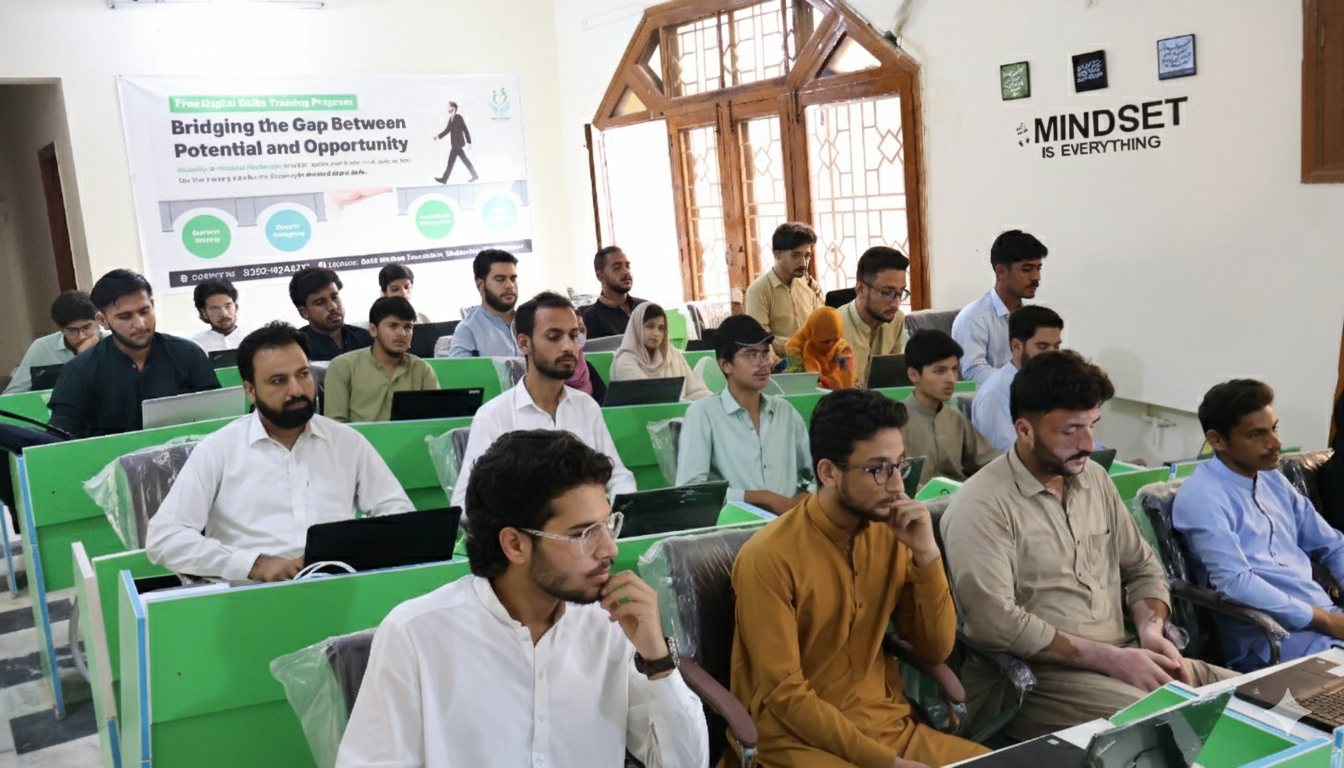
When discussing workforce development, many people explore what vocational training is in Pakistan and how it supports career growth. The answer is clear in initiatives offered through both government and private organizations. For example, programs from Baidi Welfare Organization provide courses in graphic design, SEO content writing, and office automation. These opportunities equip learners with in-demand skills that align with industry needs, keeping them competitive in a rapidly evolving job market.
Final Thoughts
Understanding what is vocational training highlights how it shapes careers and economies in the modern era. This form of practical education builds a skilled workforce, bridges the gap between learning and employment, and equips you to adapt to the constant changes in technology and industry. Most importantly, it gives you the confidence to handle real-world challenges effectively.
Investing in skill development and hands-on learning is not just about personal growth; it also benefits society as a whole. It strengthens businesses, encourages entrepreneurship, and supports national economic progress. Simply put, practical skills create a workforce that is adaptable, innovative, and ready for the future.